Categories
Noticias

Professor from the University of Helsinki presents at ICBAS the role of phages in agricultural sustainability

On 22 October, ICBAS welcomed Professor Ville-Petri Friman from the University of Helsinki, invited by the ICBAS One Health Office as part of the Agro@TecVerde International Seminar Series. Addressing an audience mainly composed of students, the lecture — “Using phages to promote plant growth” — explored the role of bacteriophages in promoting plant growth and controlling pathogenic bacteria. Professor Friman explained how microbial communities influence ecosystems and pathogens, highlighting practical applications in combating antibiotic resistance and improving plant health. His work exemplifies the One Health concept in practice, demonstrating how plant microbiology research connects with human, animal, and environmental health, and underlining the importance of alternative solutions to current health and ecological challenges. The seminar provided a unique opportunity for participants to engage with an emerging field of scientific research in microbiology.

Image: ICBAS
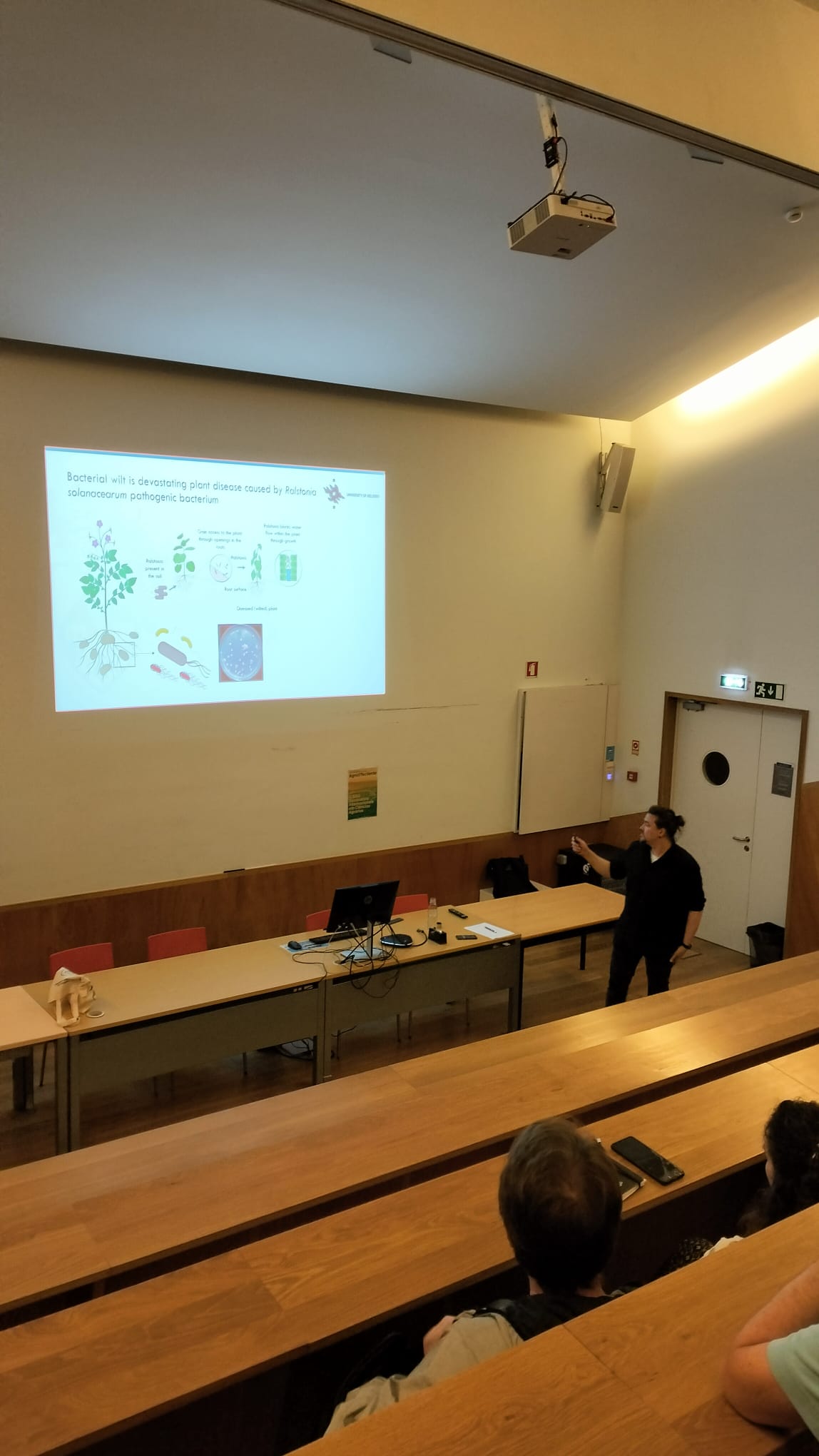
Professor Ville-Petri Friman at ICBAS.
Categories
Noticias

ICBAS Professor analyses pollution in the River Douro.

An X-ray of the waters of the River Douro

For 40 years, the assessment has been almost consistently poor: pollution is increasing, and the waters are far from suitable for bathing, an analysis with the hydrobiologist and ICBAS lecturer Adriano Bordalo e Sá.

Listen to the full interview here, between minutes 12:56 and 27:15.

Source: Portugal em Direto, Antena 1, RTP. Image: Unsplash.

Categories
Noticias

One Health session at the 12th Portuguese Congress of Medical Students

Last Sunday (12 October), the morning Plenary Session, held as part of the 12th edition of the Portuguese Congress of Medical Students, was dedicated to the theme “One Health: Medicine Beyond the Human Body.” Moderated by Prof. Maria Stretch (ICBAS) and featuring contributions from Prof. Adriano A. Bordalo e Sá (Biologist, ICBAS), Prof. Raquel Duarte (Medical Doctor, ICBAS) and Dr. Lara Fontes (Veterinary Surgeon, UTAD), the event highlighted the importance of the holistic perspective on health that underpins the One Health concept. Indeed, when the environment in which living beings exist is not healthy, the health of plants and animals becomes compromised — and that of people is strongly affected. The talks were followed by a lively and fruitful discussion between the panel and an audience composed of students from all national medical schools.

Image: ICBAS

Categories
Events

One Health Talks

No próximo dia 16 de outubro damos início, com grande entusiasmo, ao 3.º ciclo de Conversas One Health ICBAS. A primeira sessão terá como tema: “O protetor solar que nos protege, mas polui o ambiente”, com intervenções de Marcela Segundo (FFUP, LAQV-REQUIMTE) and Diana Bernardo (ICBAS, ULS Santo António).

Data: 16 de outubro de 2025
Hora: 13h
Local: Biblioteca, sala 2

Para tornar a conversa ainda mais acolhedora, oferecemos café. Convidamos todos a trazer a sua chávena, em alinhamento com o conceito One Health e com a nossa preocupação com a saúde do ambiente.

O protetor solar que nos resguarda, mas polui o ambiente | Sabia que o protetor solar que aplicamos para nos protegermos do Sol pode estar a prejudicar seriamente os ecossistemas marinhos? Algumas substâncias comuns em muitos filtros solares têm sido associadas ao branqueamento de corais e à toxicidade para a vida aquática. Quantos de nós pensamos no impacto ambiental quando escolhemos um protetor solar? Será possível proteger a nossa pele sem agredir o planeta? Há alternativas mais seguras e, ao mesmo tempo, eficazes? Que papel devem ter os consumidores, as marcas e os decisores políticos nesta mudança? A proteção solar é essencial, mas será que estamos dispostos a repensar hábitos em nome da saúde do oceano? Junte-se a nós nesta conversa e descubra como pode fazer a escolha certa.

Categories
Noticias

One Health Cinema celebrates the 50th anniversary of ICBAS at Casa Comum

There are three screenings focused on the themes of water, food, and pollution and chronic diseases, which, during October, will bring the 50th-anniversary celebrations of the Instituto de Ciências Biomédicas Abel Salazar (ICBAS) of the University of Porto to Casa Comum – the Rectorate of U.Porto – as part of the ICBAS One Health film series.

This initiative results from a partnership between the ICBAS Communication and Image Office (GCI), the ICBAS One Health Office, Casa Comum, and CineEco – International Environmental Film Festival of Serra da Estrela.

Read the full article here.

Source: Notícias UP; Image: U. Porto.

Categories
Noticias

New Master’s in Animal Behaviour has started at ICBAS

Around 15 students have started classes for the Master’s in Animal Behaviour Applied to Global Welfare, which begins this academic year with its first edition at the Instituto de Ciências Biomédicas Abel Salazar (ICBAS) of the University of Porto.

Floro Neves watched the official launch of the master’s programme last Friday (19 September) with great excitement: 'This is a master’s that really interests me. I am very motivated to learn the concepts and fundamentals needed to become a professional in this emerging field, possibly as a zookeeper, and help improve the quality of life of animals in conservation,' the student said.

Read the full article here.

Source: Notícias UP; Image: ICBAS.

Categories
Noticias

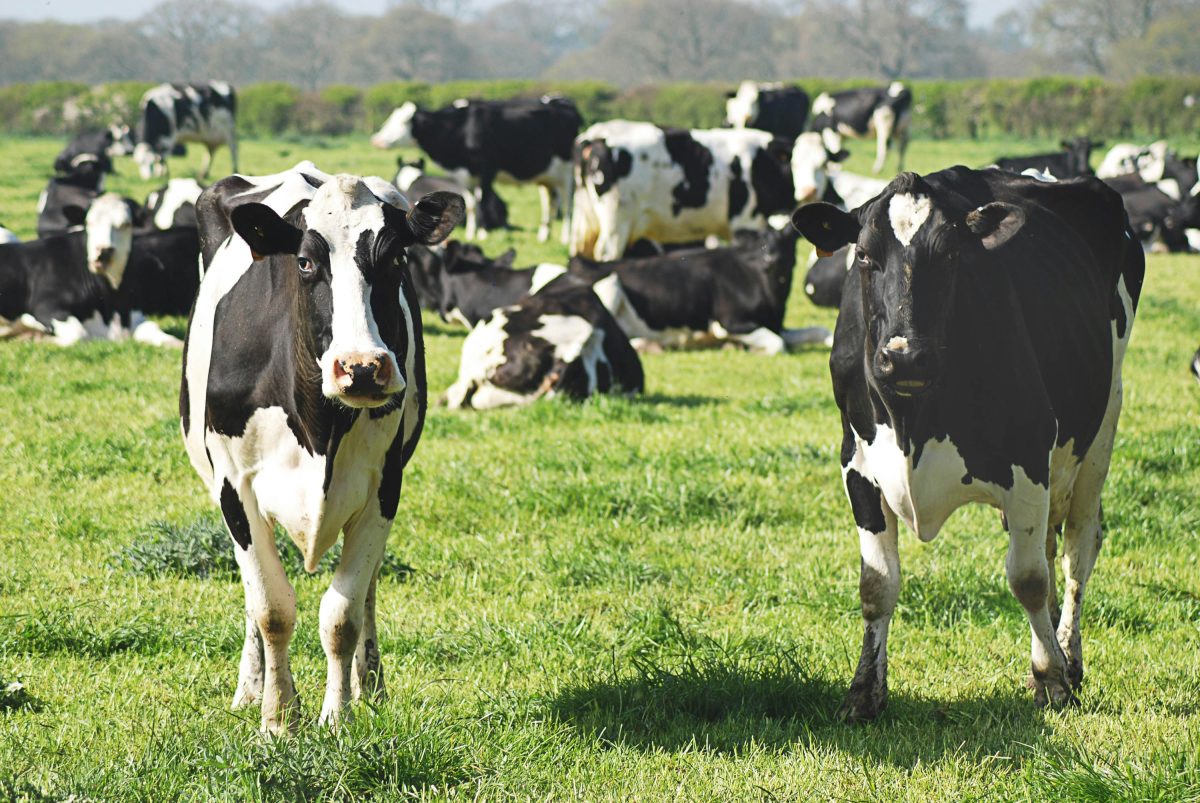
ICBAS aims to reduce the impact of medicines on human nutrition.

A project funded by the PRR developed a network to monitor the use of antimicrobials in dairy and pig farming operations.

The use of antimicrobials (AMU) in human and veterinary medicine contributes to maintaining health and well-being but simultaneously induces antimicrobial resistance (AMR). AMR is increasing and has become one of the main global threats to human and animal health and life, as well as to the environment in general. The adoption of global measures developed according to the “One Health” approach is necessary to contain the AMR pandemic.

In order to help mitigate the emergence of antimicrobial-resistant microorganisms in humans and animals, the Instituto de Ciências Biomédicas Abel Salazar (ICBAS) is leading a project that has already developed several interconnected web platforms. These platforms ensure a process for assessing disease situations in animals on dairy and pig farms, aiming to make the use of these medicines more sustainable and safer.

Read the full article here.

Source: Notícias UP; Image: Unsplash.

Categories
Noticias

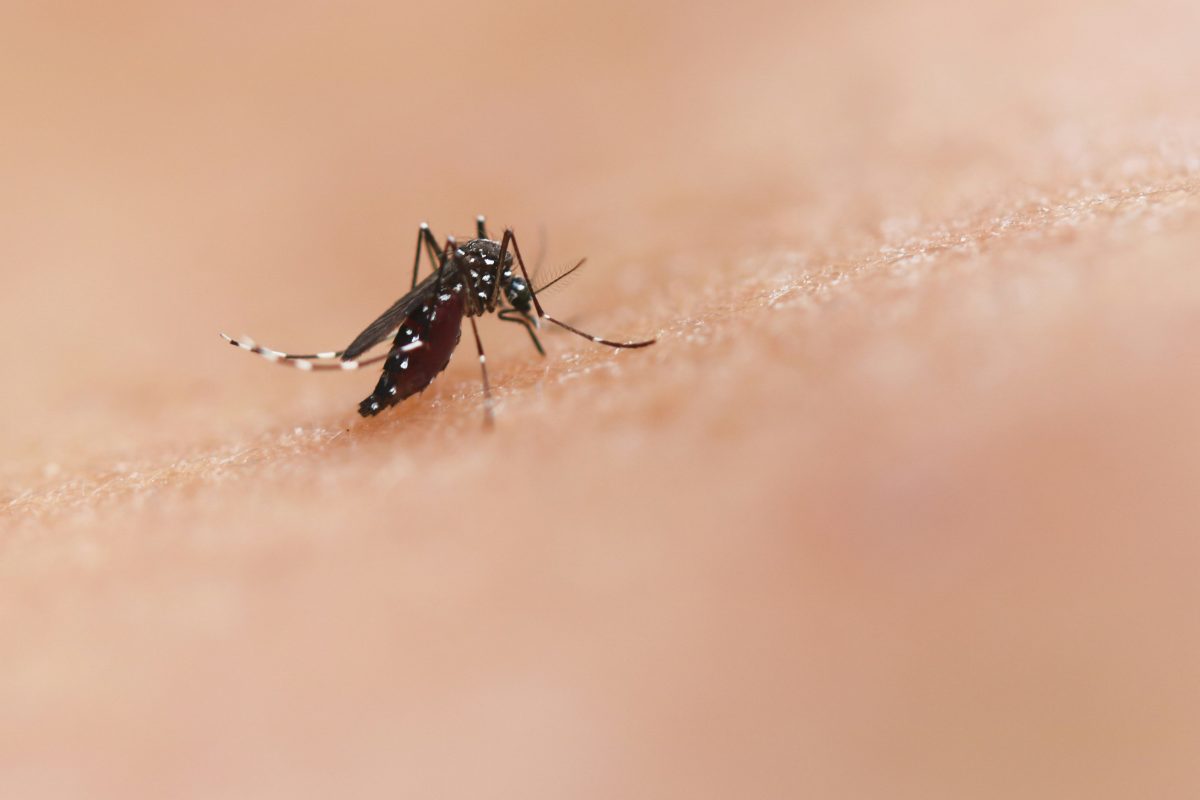
Professor at ICBAS joins consortium to develop vaccine against mosquito-borne viruses.

It is a broad-spectrum vaccine targeting dengue, Zika, yellow fever, West Nile virus, and other flaviviruses, which cause over 100,000 deaths annually.

Experts in virology, immunology, biotechnology, and public health from ten institutions across seven European countries and the United States have come together to develop, over the next three years, an innovative vaccine, called Flavivaccine,against mosquito-borne flaviviruses with epidemic potential, such as dengue, Zika, yellow fever, and West Nile virus.

“Currently, there are no effective vaccines against several mosquito-borne flaviviruses with pandemic potential and, in cases where they do exist (such as the dengue vaccine), they often have limitations in terms of safety, efficacy, or accessibility,” explains Joana Tavares, researcher at i3S and Assistant Professor at ICBAS, who will lead the Portuguese team. She assures that Flavivaccine “has the potential to address these issues by providing a safe, effective, flexible, and rapidly deployable platform.”

Read the full article here.

Source: Notícias UP; Image: Unsplash.

Categories
Noticias

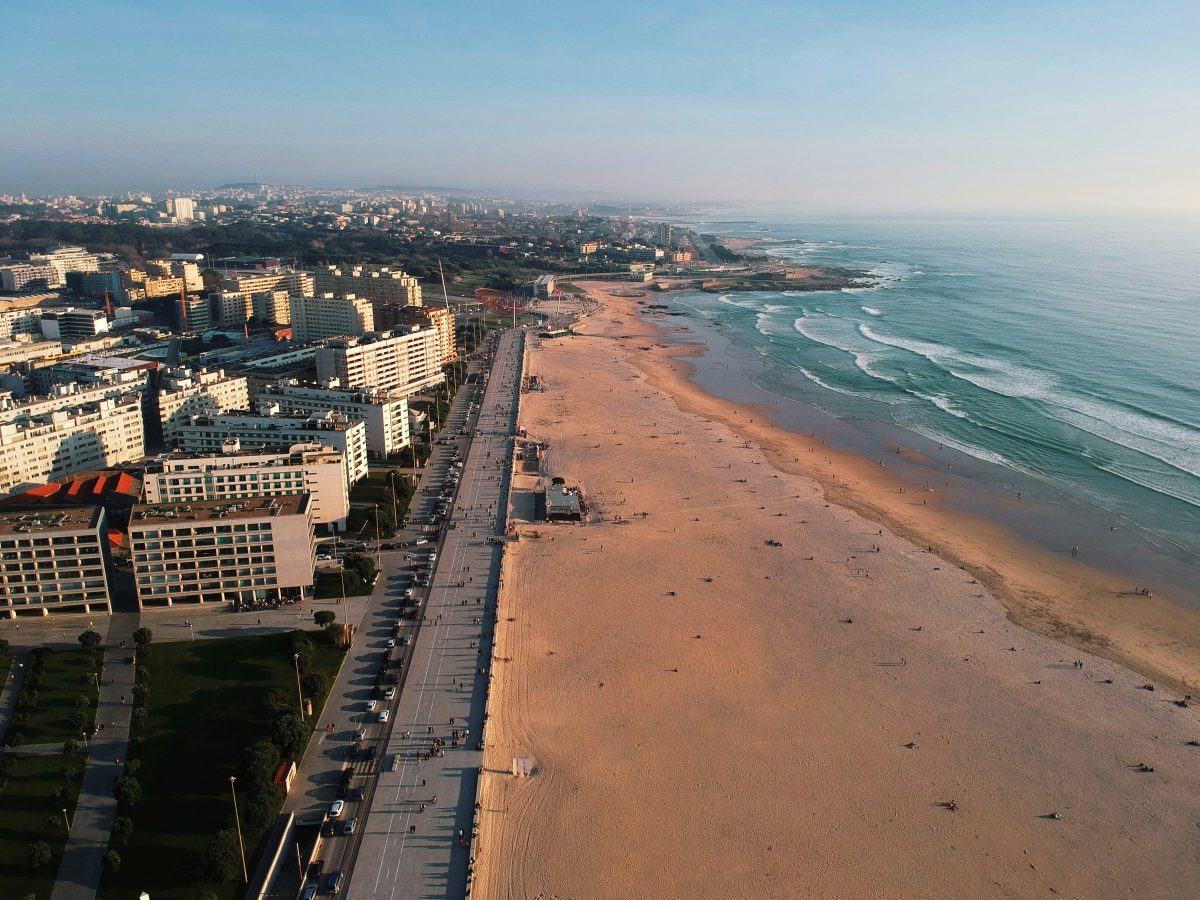
Seagulls and bacteria can cause contamination: scientists from ICBAS test water at Matosinhos Beach

At Matosinhos Beach, a warning system providing real-time information on water quality will be tested during the summer. The project, funded by European funds, is coordinated by a team of researchers from the Instituto de Ciências Biomédicas Abel Salazar (ICBAS) of the University of Porto.

Throughout the entire tidal cycle, a laboratory set up by the seaside will filter and incubate water samples collected at Matosinhos Beach every 30 minutes. The aim is to carry out microbiological analysis by measuring various parameters. 

Read the full article here.

Source: SIC notícias; Image: Unsplash.

Categories
Noticias

One Health once again brought together PhD students from ICBAS

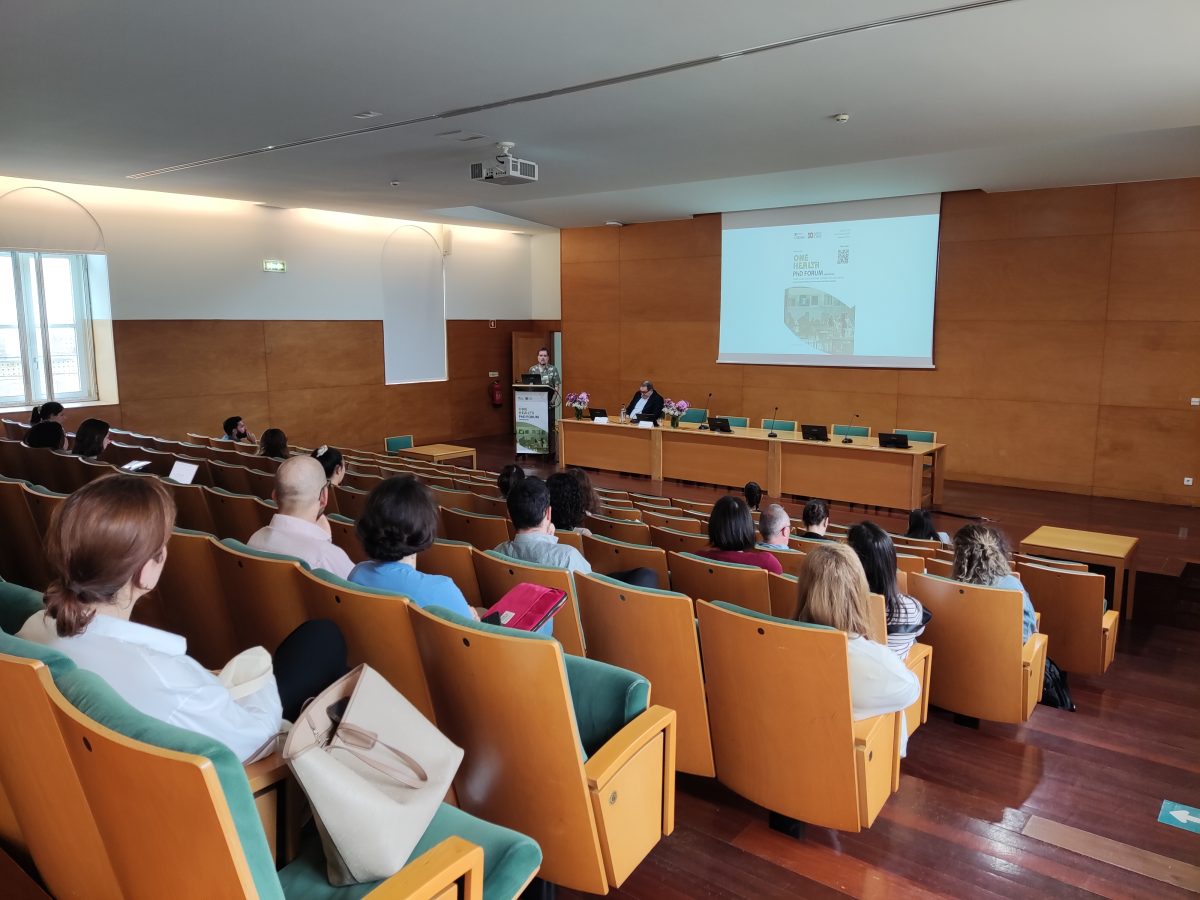
The One Health Office of the Instituto the Ciências Biomédicas Abel Salazar (ICBAS) of the University of Porto held the 2nd edition of the One Health PhD Forum, an event that brought together PhD students to present their research, with the aim of promoting the advancement of knowledge and collaboration in the fields of environmental, animal, and human health.

Around 80 students from PhD programmes based at ICBAS – and, this year, also from programmes in which ICBAS is a partner – presented their ongoing research in the form of short talks and poster pitches. The presentations were organised into thematic sessions: “Environmental impacts on human health”, “Interspecies perspectives to understand disease”, “Novel strategies towards antimicrobial resistance and infectious disease”, and “Challenges for ecosystem health”.

Read the full article here.

Source: Notícias UP; Image: ICBAS.

This website uses cookies to provide a better browsing experience. By continuing to browse this website, you consent its use. You can change your cookie settings at any time in your browser settings Know more